Navigating Histories: The Value and Meaning of Orientation
Navigation is far more than the art of orientation. It is a cultural practice, a form of knowledge production, and a way to situate people in space and time. The international workshop “Navigating Histories: The Value and Meaning of Orientation”, held June 25–26, 2026, at the German Maritime Museum / Leibniz Institute for Maritime History in Bremerhaven, focused on this expanded understanding of navigation.
The workshop was organized by the Leibniz Research Alliance Value of the Past in collaboration with the Whipple Museum (University of Cambridge), the Deutsches Museum (Munich), and the German Maritime Museum.
The focus was on navigation and orientation as historical and cultural phenomena. Taking navigational instruments as material evidence of orientation, memories, and values as their starting point, scholars and curators discussed new perspectives on the history and cultural history of navigation. The presentations spanned a wide range of topics, from nautical charts and navigational instruments to maritime infrastructures and colonial knowledge regimes, as well as museum practices and questions of interpretation. It became clear that navigation not only opens up spaces but also shapes conceptions of knowledge, power, and the world. The focus was also on the practices of navigation and knowledge exchange, as well as the significance of historical navigation techniques and orientation knowledge for understanding past and present societies.
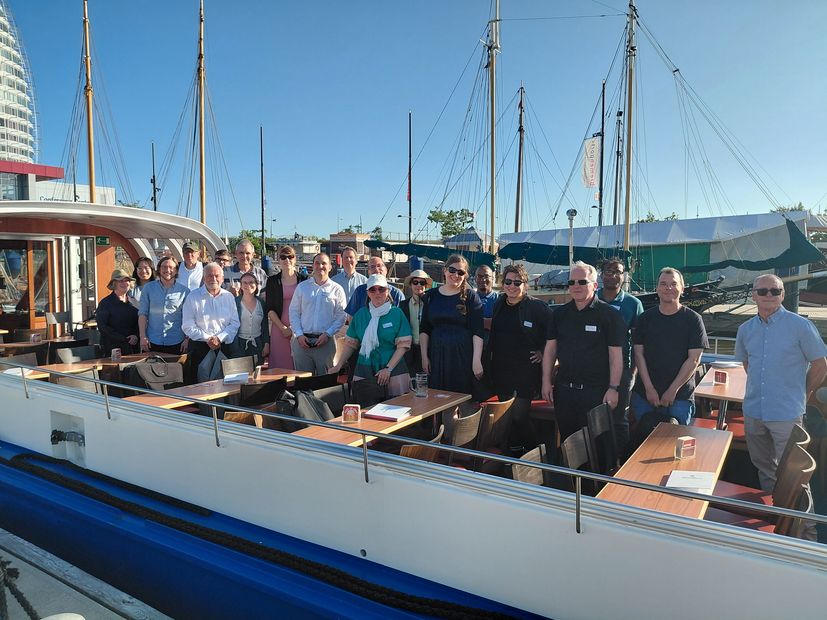
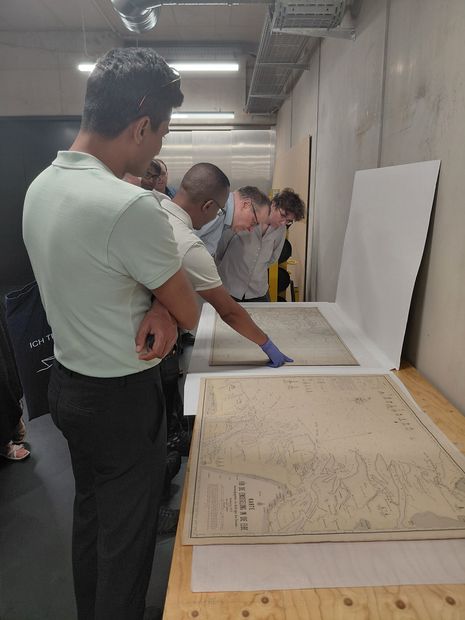
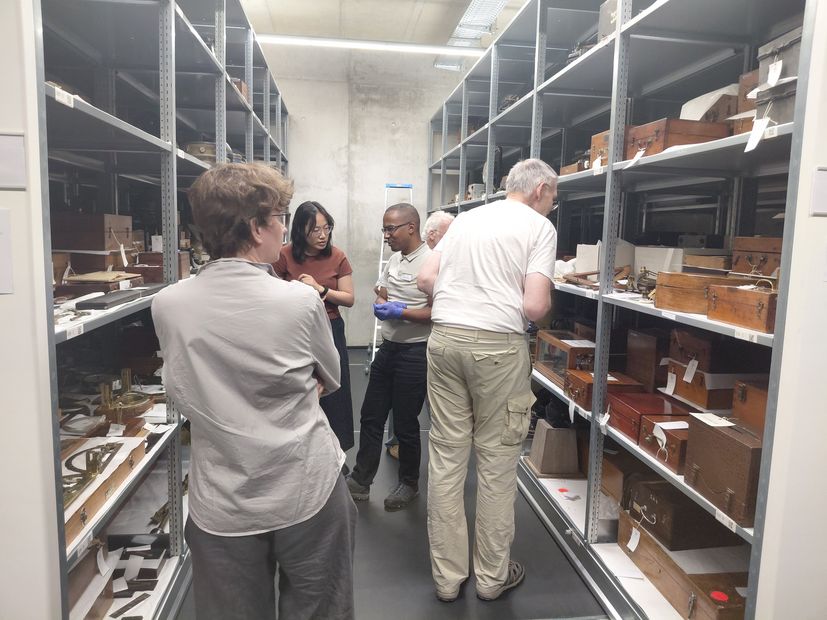
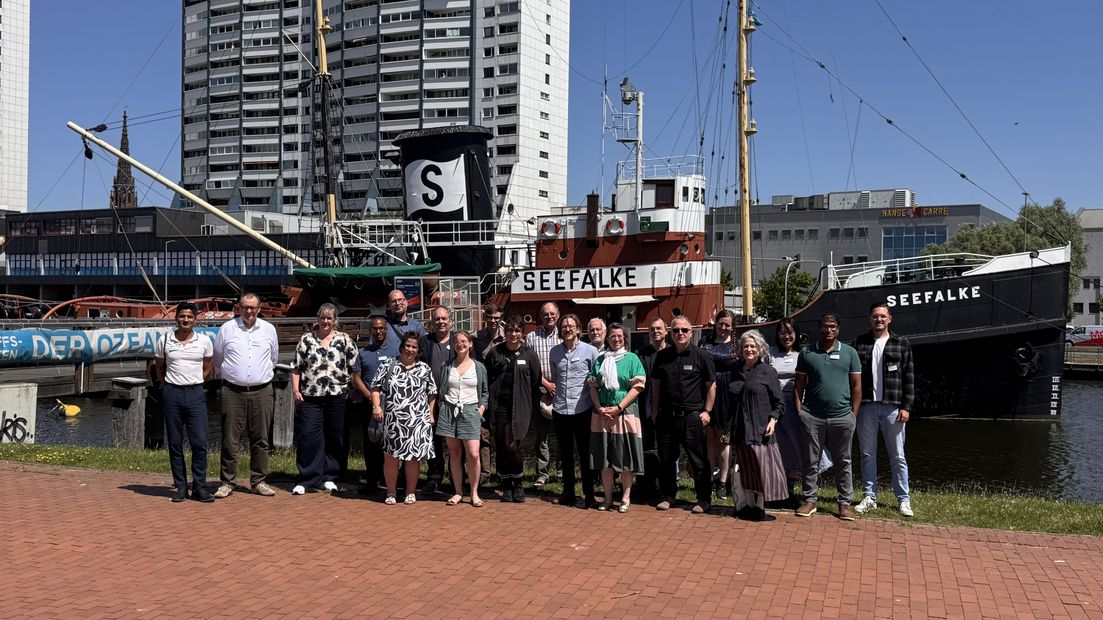
The academic program was complemented by guided tours of the German Maritime Museum, including its museum harbor and collection depot, as well as the archives of the Alfred-Wegener-Institute. The workshop demonstrated how object-based research, cultural-historical questions, and museum practice can be productively combined, and opened up new perspectives on the value of historical navigation and its diverse narratives of orientation.